
Plant nutrients
Plant Sterols: Side Effects, How Much You Need and Who Should Avoid Them

Oct
Last reviewed Next review April 20276 sources
Quick answer
What are plant sterols, and are they safe?
Plant sterols, and the closely related plant stanols, are natural cholesterol-like compounds found in vegetable oils, grains, nuts and seeds. An ordinary diet gives around 200–400 mg a day, while the authorised UK cholesterol claims need 0.8–3 g, usually from fortified foods. They are generally safe for most healthy adults, but not for pregnancy, breastfeeding or children under five, and anyone on cholesterol medicine should speak to their doctor first.
Key facts
- Authorised claim at 0.8 g a day: plant sterols/stanols contribute to the maintenance of normal blood cholesterol levels.
- Ordinary diets give about 200–400 mg a day; fortified foods give 0.75–2 g per serving.
- Not for pregnant or breastfeeding women or children under five; avoid more than 3 g a day.
- On cholesterol-lowering medication? Only use them under medical supervision.
In this guide
What plant sterols and stanols are
Plant sterols and stanols (together called phytosterols) are compounds with a structure similar to cholesterol. The British Dietetic Association (BDA) explains that they occur naturally in vegetable oils, grain products such as bread and cereals, seeds, nuts, legumes, fruit and vegetables.
The catch is the amount. The BDA puts a typical healthy diet at around 200–400 mg of sterols and stanols a day, and the amount linked to an effect on cholesterol is around 2 g a day. That gap is why manufacturers add them to everyday foods such as fat spreads, milk, yoghurts and yoghurt drinks, which typically provide 0.75–2 g per serving.
What can and cannot be claimed
Unlike most of the ingredients we write about, plant sterols do have authorised health claims in Great Britain. There are two, and each comes with conditions.
- “Plant sterols/stanols contribute to the maintenance of normal blood cholesterol levels.” To use it, a product must tell you the effect is obtained with a daily intake of at least 0.8 g of plant sterols/stanols.
- “Plant sterols have been shown to lower/reduce blood cholesterol. High cholesterol is a risk factor in the development of coronary heart disease.” This one applies with a daily intake of 1.5–3 g of plant sterols. A matching claim exists for plant stanol esters.
Two things follow. First, a product that gives you less than 0.8 g a day cannot use either claim, however it is marketed. Second, the claims are about blood cholesterol. The BDA is clear that there is no evidence that plant sterols and stanols reduce your risk of a heart attack or stroke, and that a healthy, balanced diet remains the advice.
Side effects and who should avoid them
The BDA describes plant sterols and stanols as generally safe for most healthy people. The main cautions are written into UK law: any food with added plant sterols or stanols has to carry these statements on its label.
- It is not intended for people who do not need to control their blood cholesterol. The BDA adds that there is no benefit if your cholesterol is already normal.
- People on cholesterol-lowering medication should only use it under medical supervision. They are not a replacement for any medicine. If you take ezetimibe, the BDA advises asking your doctor whether sterols or stanols would add anything for you.
- It may not be nutritionally appropriate for pregnant or breastfeeding women, or for children under five.
- It should be eaten as part of a balanced and varied diet, including regular fruit and vegetables to help maintain carotenoid levels.
- More than 3 g a day should be avoided. The BDA notes that most studies show more than 3 g is unlikely to lower cholesterol any further.
The point about carotenoids is the one most people miss. Carotenoids such as beta-carotene come from colourful fruit and vegetables, and the law requires that reminder on every pack. If you use sterol-fortified foods, keep up your five a day.
How much, and how to take them
If you and your doctor decide plant sterols or stanols are worth trying, the BDA’s practical advice is:
- Aim for about 2 g a day, taken every day, with meals. They need to be mixed with food in the gut, and the potential benefit stops when you stop taking them.
- One fortified mini yoghurt drink or pot can provide the full 2 g. Alternatively, two to three portions a day of foods giving at least 0.8 g each will do it, for example two teaspoons (10 g) of fortified spread, one fortified yoghurt or a 250 ml glass of fortified milk.
- Supermarket own brands work as well as branded ones. Follow the pack instructions.
| Source | Typical plant sterols/stanols | Worth knowing |
|---|---|---|
| Everyday diet | About 200–400 mg a day | Too little for the authorised claims |
| Fortified foods (spreads, milk, yoghurts, drinks) | 0.75–2 g per serving | The best-studied way to reach 2 g a day |
| Supplements (tablets or capsules) | Varies: check the label | The BDA says there is less evidence for supplements than for fortified foods |
How to read a plant sterol label
- Find the amount per daily portion in grams. Under 0.8 g a day means no cholesterol claim can apply.
- Check the warnings above are on the pack. Their absence on a fortified food is a red flag.
- Add up all your sources. Fortified spread plus a yoghurt drink plus a supplement can take you past the 3 g limit without noticing.
- Look at the claim wording. It should match the wording above. Anything about “cleansing arteries” or “protecting your heart” is not authorised.
Where NeoLife fits
We want to be straight about this: we do not sell a plant sterol product designed to give you 0.8 g or more a day, so none of our products carries a cholesterol claim.
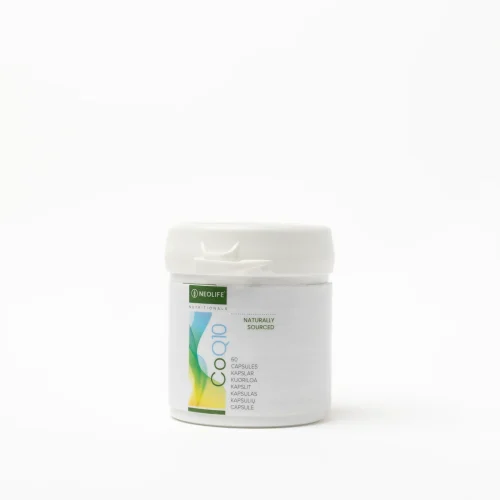
- NeoLife CoQ10 contains a phytosterol concentrate of 100 mg per two-capsule serving. That is an eighth of the 0.8 g the claim needs, so we make no cholesterol claim for it.
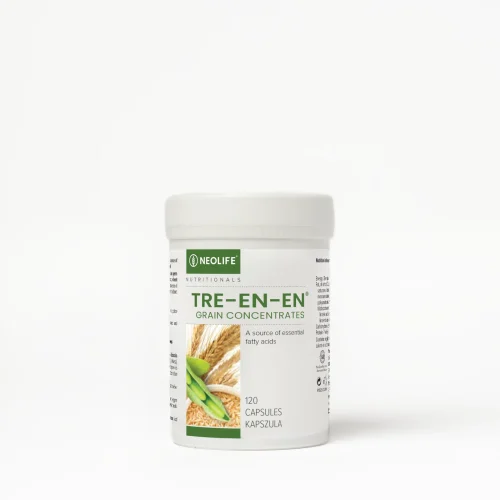
- Tre-en-en is a blend of rice bran, soybean and wheat germ oils that naturally contain lipids and sterols. It does not state a plant sterol amount and carries no authorised health claim.
If lowering your cholesterol is the goal, start with your GP, a fortified food from the supermarket and the NHS diet advice, not with us.
What we do not claim
Nothing on this page is a promise of any health effect from a product we sell. The two claims quoted above are the authorised wording for plant sterols in general, at the intakes stated, and none of our products provides those intakes. Our products are food supplements, not medicines, and are not intended to diagnose, treat, cure or prevent any disease. If you have high cholesterol, take any medication, are pregnant or breastfeeding, speak to your GP or pharmacist before changing your diet or taking a supplement.
Products in this guide
Common questions
What are the side effects of plant sterols?
The BDA says plant sterols and stanols are generally safe for most healthy people. By law, fortified foods must warn that they are not for people who do not need to control their cholesterol, that people on cholesterol-lowering medication should only use them under medical supervision, that they may not suit pregnant or breastfeeding women or children under five, and that more than 3 g a day should be avoided. They also advise eating fruit and vegetables regularly to help maintain carotenoid levels.
How much plant sterol do you need a day?
The BDA puts it at around 2 g a day, eaten every day with meals. The authorised UK claims need at least 0.8 g a day for maintaining normal blood cholesterol, and 1.5 to 3 g a day for the claim that plant sterols have been shown to lower blood cholesterol.
Can I take plant sterols with statins?
The BDA says plant sterol and stanol products are safe for people taking statins or fibrates, but they are not a replacement for medication. UK labels say anyone on cholesterol-lowering medication should only use them under medical supervision, so tell your doctor first. If you take ezetimibe, ask your doctor whether they would add anything for you.
Are plant sterol supplements as good as fortified foods?
The BDA says there is less evidence for supplements than for foods with added sterols and stanols, although studies of supplements taken with meals show similar effects on cholesterol. Fortified spreads, milk, yoghurts and yoghurt drinks remain the best-studied option.
Who should not take plant sterols?
People whose cholesterol is already normal (there is no benefit), pregnant or breastfeeding women and children under five. Anyone on cholesterol-lowering medication should only use them with their doctor’s agreement.
Sources
- Plant stanols and sterols (food fact sheet) British Dietetic Association
- Great Britain nutrition and health claims (NHC) register Department of Health and Social Care, GOV.UK
- Regulation (EU) No 432/2012 on permitted health claims, as it applies in Great Britain legislation.gov.uk
- Regulation (EU) No 686/2014: conditions of use for the plant sterol and stanol cholesterol claims legislation.gov.uk
- Regulation (EU) No 1169/2011, Annex III: labelling of foods with added plant sterols and stanols legislation.gov.uk
- How to lower your cholesterol NHS
Sources checked 17 October 2026. Health claims on this page use only wording authorised in Great Britain. How we write and check our guides.
Genuine NeoLife, delivered in the UK
Free UK delivery on orders over £150. Order online, no membership needed.
More guides
 Plant nutrientsLutein and Zeaxanthin: Food Sources, Supplements and What the Research ShowsLutein and zeaxanthin explained: the best food sources, why no UK health claims are authorised, what the AREDS2 eye research tested, and how to…
 Plant nutrientsGreen tea and herbal tea blends: an honest UK guideAn honest guide to green tea and herbal tea blends: why tea, EGCG, ginseng and rhodiola carry no authorised claims, the green tea safety…
 Plant nutrientsFlavonoids: what they are, the green tea caution and how to chooseAn honest guide to flavonoid supplements: what they are, why flavonoids carry no authorised claims, the green tea safety warnings, and how to choose.
